
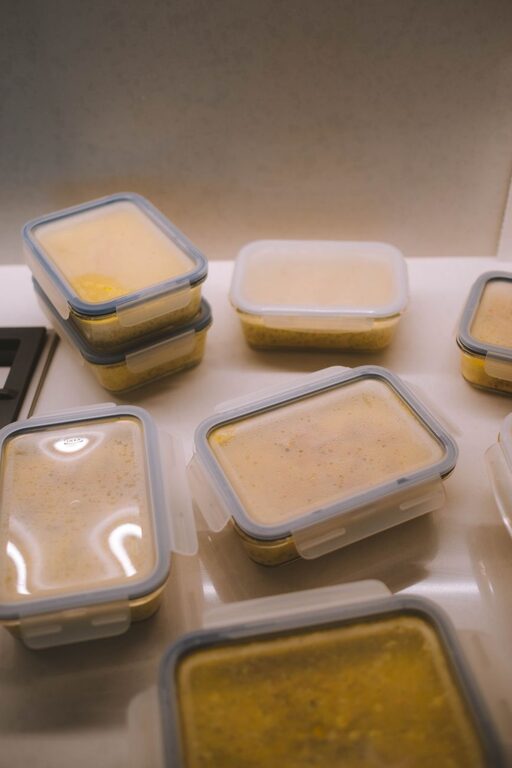
Creating a weekly meal plan is a fantastic way to simplify your cooking routine, save money, and make healthier eating choices. Whether you’re a busy professional, a parent managing family meals, or someone looking to reduce food waste, a simple meal plan can transform the way you approach mealtime. In this guide, we’ll walk through easy steps to create a weekly meal plan that fits your lifestyle.
Why Create a Weekly Meal Plan?
Before diving into how to create a meal plan, it’s helpful to understand why it’s worthwhile:
– Saves time: Planning meals ahead reduces daily decision-making and last-minute trips to the store.
– Reduces stress: Knowing what you’ll cook each day takes the guesswork out of mealtime.
– Promotes healthier eating: Intentional planning makes it easier to include balanced meals.
– Cuts food waste: Buying only what you need means fewer forgotten or spoilage-prone ingredients.
– Saves money: Planning meals and shopping with a list helps avoid impulse buys.
With these benefits in mind, let’s look at how to get started.
Step 1: Assess Your Week Ahead
Before you write your meal plan, consider any events or schedule changes:
– Are there days when you’ll have little time to cook?
– Any social events or meals out planned?
– Do you want leftovers on some days for quick lunches?
Jot down your answers to tailor the plan to your week.
Step 2: Choose Your Recipes
Keep it simple by selecting recipes that match your cooking skills and preferences. Here are some tips:
– Start with favorites: Incorporate meals you already know and love.
– Balance proteins, veggies, and grains: Aim for well-rounded meals.
– Include some quick recipes: For busy nights, choose meals that take 30 minutes or less.
– Mix new and old: Try one or two new recipes each week to keep things interesting.
You can find inspiration from cookbooks, food blogs, or even your own recipe collection.
Step 3: Plan Your Meals
Most weekly plans cover dinner but consider including other meals:
– Breakfast: Plan simple options like oatmeal, smoothies, or yogurt with fruit.
– Lunch: If you bring lunch to work, plan leftovers or easy-to-assemble meals.
– Dinner: Usually the most involved meal; plan mains with sides.
Using a notebook, planner, or digital tool, create a chart for each day of the week. Fill in meals according to your schedule and recipe choices.
Sample Weekly Dinner Plan
| Day | Dinner Idea |
|———–|————————————-|
| Monday | Grilled chicken with roasted veggies|
| Tuesday | Spaghetti with marinara sauce |
| Wednesday | Stir-fry with tofu and brown rice |
| Thursday | Baked salmon with quinoa and salad |
| Friday | Homemade veggie pizza |
| Saturday | Slow cooker chili |
| Sunday | Roast beef with mashed potatoes |
Adjust portion sizes and ingredients based on family size and dietary needs.
Step 4: Make a Shopping List
Once your meals are planned, list all the ingredients you’ll need. Check your pantry and fridge first to avoid duplicates. Organize your shopping list by category (produce, dairy, meats, etc.) to streamline your grocery trip.
Step 5: Prep Ahead When Possible
Meal prep can save time during the week:
– Wash and chop vegetables in advance.
– Cook grains like rice or quinoa ahead.
– Marinate proteins the night before.
– Portion out snacks or lunches.
Even 30 minutes of prep on the weekend can make a big difference.
Tips for Successful Meal Planning
– Be flexible: It’s okay to swap meals or reorder days as needed.
– Keep recipes simple: Don’t overwhelm yourself with complicated dishes.
– Use leftovers creatively: Turn leftover roasted vegetables into a soup or salad.
– Involve the family: Let others pick meals or help with prep.
– Use apps or printables: Digital tools can make planning and shopping easier.
Conclusion
Creating a simple weekly meal plan doesn’t have to be complicated. With just a little time spent upfront, you can enjoy more organized, stress-free cooking all week long. Start with easy recipes, plan according to your schedule, and prep ahead when possible. Over time, meal planning becomes a habit that benefits your health, budget, and peace of mind. Give it a try and see how much smoother mealtimes can be!