
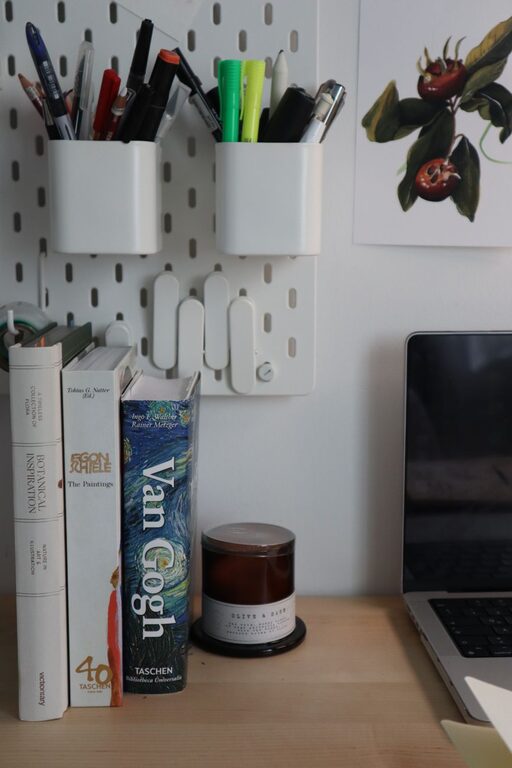
Managing paper clutter at home can feel overwhelming, especially when bills, receipts, mail, and school papers seem to multiply overnight. Fortunately, with a few simple strategies, you can reduce the amount of paper that accumulates and create a more organized living space. This post will walk you through easy, practical ways to cut down on paper clutter and keep your home tidy.
Why Reducing Paper Clutter Matters
Paper clutter can:
– Create visual chaos, making your space feel messy
– Cause stress and distraction
– Make it harder to find important documents when you need them
– Take up valuable space
By keeping paper under control, you simplify your life and create a calmer environment.
1. Go Digital Whenever Possible
One of the easiest ways to reduce paper clutter is to switch to digital alternatives.
Opt for Paperless Billing and Statements
Most utility companies, banks, and credit card services offer paperless billing options. Sign up for these to receive your bills and statements via email or through an app. This reduces incoming paper and makes it easier to keep track of payments digitally.
Use Digital Note-Taking Apps
Instead of jotting down to-do lists or reminders on sticky notes or paper, try digital apps like Google Keep, Microsoft OneNote, or Apple Notes. These tools sync across devices and prevent lost or forgotten notes.
Scan Important Documents
Invest in a scanner or use a scanning app on your smartphone to create digital copies of important papers such as tax documents, warranties, and medical records. Store and organize them in clearly labeled folders on your computer or cloud storage.
2. Create a Simple Filing System
Even with digital options, some paperwork is unavoidable. Setting up an easy filing system helps manage these papers quickly.
Use Clear Categories
Identify categories for the papers you need to keep, such as:
– Bills to pay
– Receipts for taxes or warranties
– Personal documents (birth certificates, passports)
– School or work-related papers
Use folders, binders, or filing boxes labeled clearly.
Keep it Accessible
Store your filing system in a convenient spot like a desk drawer or a dedicated filing cabinet. The easier it is to access, the more likely you’ll maintain it regularly.
Schedule Regular Sorting Sessions
Set a weekly or monthly time to sort through new papers, file what you need, and recycle or shred what’s no longer necessary.
3. Declutter Mail Immediately
Mail can pile up quickly if not handled right away.
Establish a Mail Station
Designate a specific area near your entryway for incoming mail. Use a tray or basket to contain it.
Review Mail Daily
Sort mail as soon as you bring it in. Recycle junk mail and flyers immediately. Place important mail in your “to-do” folder to address tasks like bill payments or responses.
4. Use Labels and Storage Solutions
Clear labeling and smart storage help keep papers organized and prevent piles.
Label Folders and Boxes
Make labels simple and readable, such as “Utilities,” “Taxes,” or “School.” This speeds up filing and retrieval.
Consider Vertical Storage
Wall-mounted file organizers or magazine holders free up desk space and keep papers visible but orderly.
5. Limit Paper Coming Into the Home
Try to reduce the amount of paper that enters your household.
Unsubscribe from Unwanted Mail
Use services to opt out of junk mail and catalogs you no longer want.
Choose Electronic Receipts
At stores and restaurants, ask if they can email your receipt instead of giving a paper one.
6. Deal with Kids’ Papers Strategically
Children’s artwork, schoolwork, and notices can create extra clutter.
Designate a Display Area
Create a bulletin board or wall space to showcase favorite artwork and important papers.
Keep a Memory Box
Select a sturdy box or binder to save special projects or certificates. Regularly review what to keep or recycle.
Digitize Artwork
Taking photos of artwork before recycling originals can preserve memories without accumulating paper.
7. Shred and Recycle Regularly
Keeping a shredder handy encourages you to securely dispose of sensitive documents as soon as they’re no longer needed. Recycling bins should be accessible to make discarding paper easy and eco-friendly.
Final Thoughts
Reducing household paper clutter doesn’t require a complete overhaul overnight. By gradually introducing digital alternatives, creating simple filing systems, and handling paper promptly, you will see a noticeable difference in your home’s tidiness and your peace of mind. Start with one or two of these tips today, and enjoy a more organized space tomorrow!