
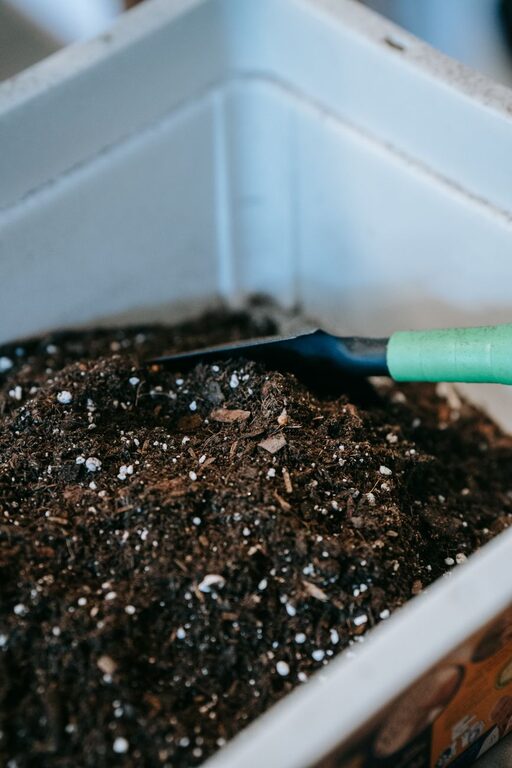
Composting at home is a fantastic way to reduce household waste while creating nutrient-rich soil for your garden. Whether you have a large backyard or just a small balcony, composting can be adapted to fit your space and lifestyle. If you’re new to composting, this guide will help you get started with simple tips and best practices.
What is Composting?
Composting is the natural process of recycling organic material, such as food scraps and yard waste, into a dark, rich soil amendment known as compost. This compost improves soil health by adding nutrients and enhancing moisture retention.
Benefits of Composting at Home
– Reduces waste: Composting diverts food scraps and yard waste from landfills.
– Improves soil: Compost enriches soil and promotes healthy plant growth.
– Saves money: Reduces the need for commercial fertilizers and soil conditioners.
– Supports the environment: Lowers methane emissions from landfills and reduces your carbon footprint.
Getting Started: Choosing a Composting Method
1. Backyard Composting
If you have garden space, a compost bin or pile outdoors works well.
– Choose a shaded or partially shaded spot.
– Use a bin with good airflow or create a pile that you can turn.
– Ideal for larger amounts of green (nitrogen-rich) and brown (carbon-rich) materials.
2. Indoor Composting
For small spaces or apartments, consider indoor composting options.
– Use a small countertop compost bin to collect scraps.
– Try a worm bin (vermicomposting) that uses worms to process food waste.
– Look for electric composters that speed up decomposition.
What to Compost and What to Avoid
Compostable Materials:
– Fruit and vegetable scraps
– Coffee grounds and filters
– Eggshells
– Grass clippings and leaves
– Shredded newspaper and cardboard
– Tea bags (check for synthetic materials)
– Plant trimmings
Items to Avoid:
– Meat, fish, and dairy products (can attract pests)
– Fats, oils, and grease
– Pet wastes
– Diseased plants or weeds with seeds
– Treated wood or synthetic materials
Balancing Green and Brown Materials
Successful composting requires a balance of green materials (high in nitrogen) and brown materials (high in carbon).
– Greens: vegetable scraps, coffee grounds, fresh grass clippings
– Browns: dried leaves, straw, shredded paper, cardboard
A good rule of thumb is to use roughly 2 to 3 parts brown to 1 part green to keep your compost healthy and odor-free.
Composting Basics: Tips for Success
1. Chop or shred materials
Smaller pieces break down faster. Chop food scraps and shred yard waste before adding to your compost.
2. Keep it moist
Your compost should feel like a damp sponge. Add water occasionally if it’s dry, or add more browns if it’s too wet.
3. Turn or aerate regularly
Mixing your compost introduces oxygen, which speeds up breakdown and prevents bad smells. Aim to turn your pile every week or two.
4. Monitor temperature
Active compost piles generate heat. If your pile is cold and not breaking down, try adding more green materials and turning it more often.
Troubleshooting Common Composting Problems
– Bad odors: Usually caused by too much green or moisture. Add browns and turn the pile.
– Pests: Avoid meat/dairy; use a closed bin; bury food scraps beneath browns.
– Slow decomposition: Chop materials finer; balance greens and browns; turn pile more often.
– Dry pile: Add water and green materials.
How to Use Finished Compost
Your compost is ready when it looks dark, crumbly, and earthy-smelling, with no recognizable food scraps.
– Mix it into garden beds to improve soil structure.
– Use as mulch around plants to retain moisture.
– Add to potting soil for healthy container plants.
– Sprinkle on lawns for added nutrients.
Final Thoughts
Composting at home is a rewarding and environmentally friendly practice. Start small, be patient, and adjust as you learn what works best in your space. Over time, you’ll enjoy richer soil, less waste, and a positive impact on the planet.
Happy composting!