
Reducing food waste at home is a practical step everyone can take to save money, conserve resources, and protect the environment. With a little planning and simple changes to daily habits, you can significantly cut down on the amount of food that gets thrown away. This post will guide you through various strategies to minimize food waste, from smart shopping to creative use of leftovers.
Why Reducing Food Waste Matters
Food waste impacts the environment in several ways. When edible food is discarded, all the resources used to grow, transport, and process that food are wasted as well. Additionally, food sent to landfills produces methane, a potent greenhouse gas contributing to climate change. By reducing waste at home, you’re helping to preserve natural resources and reduce pollution.
Plan Your Meals Ahead
One of the most effective ways to reduce food waste is through thoughtful meal planning.
– Create a Weekly Menu: Decide what you will eat each day of the week. This helps prevent impulse buying and ensures you only purchase what you need.
– Make a Detailed Shopping List: Write down the exact quantities needed for each recipe or meal—stick to the list while shopping.
– Check Your Pantry and Fridge Before Shopping: Use up items you already have before buying duplicates.
Smart Shopping Tips
How you shop can influence the amount of food wasted at home.
– Avoid Bulk Buying Unless Necessary: Buying in large quantities can lead to spoilage if the food isn’t consumed in time.
– Choose Loose Produce: Buying loose fruits and vegetables allows you to purchase just the right amount.
– Check Expiration Dates: Select items with longer shelf lives when possible.
– Buy Imperfect Produce: Many stores sell “ugly” fruits and veggies at lower prices—they’re just as good and help reduce food waste.
Proper Storage Techniques
Storing food correctly can extend its freshness and reduce spoilage.
– Keep Fruits and Vegetables Separate: Some fruits emit ethylene gas that speeds up ripening and spoiling of nearby vegetables.
– Use Airtight Containers: Store leftovers and opened packages in airtight containers to maintain freshness.
– Label and Date Items: This helps keep track of what needs to be used first.
– Understand Optimal Temperatures: For example, store tomatoes at room temperature rather than in the fridge to retain flavor.
Use Leftovers Creatively
Transforming leftovers into new meals is a great way to avoid throwing food away.
– Reinvent Leftovers: Turn roasted vegetables into soups, or leftover rice into fried rice with added ingredients.
– Freeze Surplus Food: Many cooked dishes and raw ingredients freeze well and can be used later.
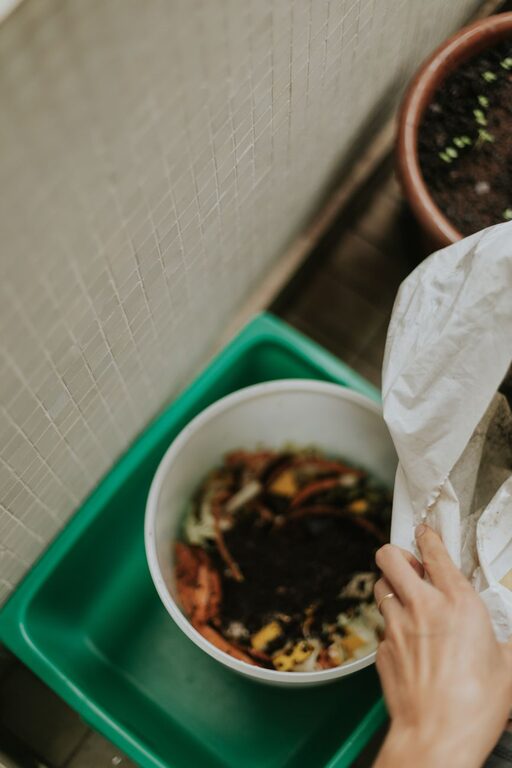
– Compost Scraps: Inedible parts like peels and cores can be composted instead of thrown away, enriching your garden soil.
Practice Portion Control
Serving appropriate portions helps reduce uneaten food on plates.
– Start Small: Serve smaller portions initially; eat more if still hungry.
– Store Extras Immediately: Pack leftovers into containers to save for another meal rather than leaving them on the plate.
Educate the Whole Household
Engaging everyone in the home builds a shared commitment to reducing waste.
– Share Tips: Talk about why minimizing food waste is important.
– Involve Kids: Teach children about food storage and creative cooking with leftovers.
– Set a Family Challenge: Track food waste for a week and try to improve each time.
Monitor and Reflect
Keep track of your progress to stay motivated.
– Use a Food Waste Diary: Note what food gets discarded and why.
– Identify Patterns: Learn which foods spoil most frequently and adjust shopping or storage habits accordingly.
– Celebrate Successes: Recognize milestones to maintain positive momentum.
Conclusion
Reducing food waste at home is easier than it might seem and offers benefits beyond saving money. By planning meals, shopping wisely, storing food properly, and getting creative with leftovers, you contribute to a more sustainable lifestyle. Small, consistent changes in your kitchen habits can add up to a big difference for your wallet and the planet. Start implementing these strategies today and enjoy the rewards of less waste and more savings!